In this article
The saree is one of the most graceful garments there is — a single length of fabric that adapts to almost any occasion. Choosing well comes down to three things: the occasion, the fabric and how comfortable you are carrying it.
Choose by occasion
- Everyday and office: light cotton or cotton blends in simple prints or borders.
- Festivals and family gatherings: silk, silk blends or richly woven borders in warm, bright shades.
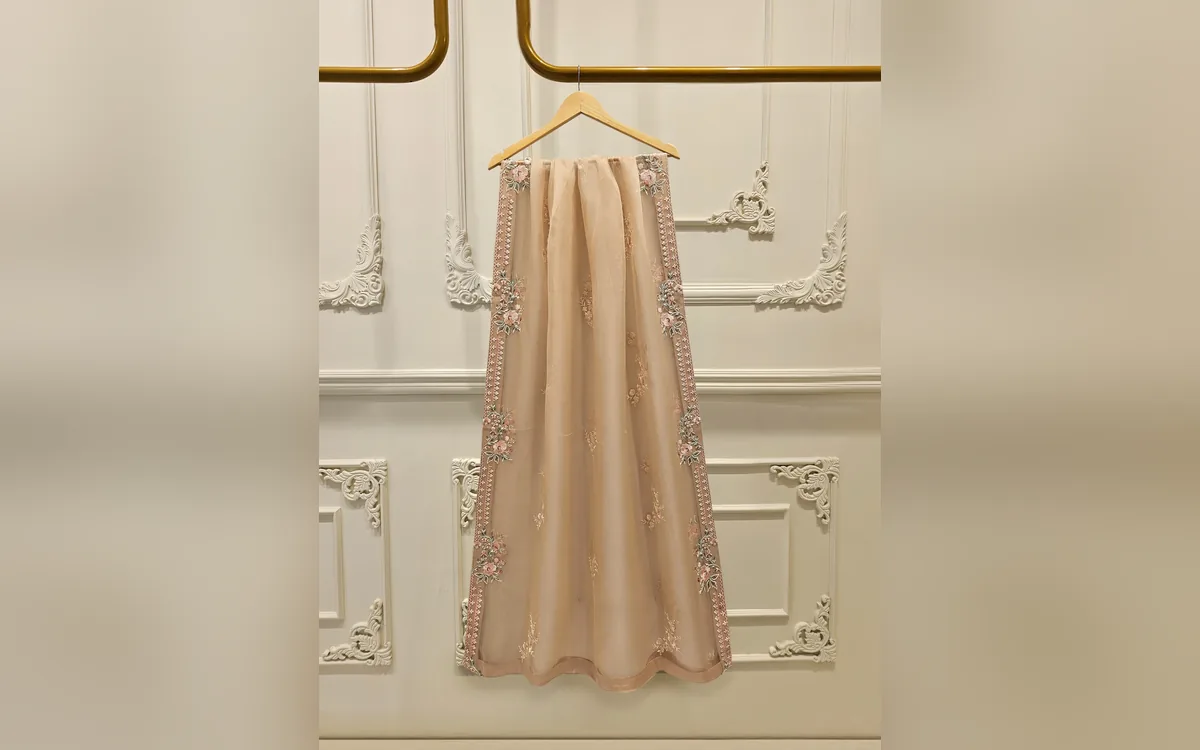
- Weddings and evenings: heavier weaves, embroidery or flowing georgette and chiffon with a decorated border.
Bangladesh has its own celebrated tradition too: Dhakai Jamdani, a fine handwoven fabric whose weaving craft is recognised by UNESCO as intangible cultural heritage.
A simple drape, step by step
- Wear the petticoat and blouse first, and tuck the plain end of the saree into the waist so the hem just touches the floor.
- Wrap once around the waist and bring the fabric back to the front.
- Make 5–7 even pleats, each about a hand-width, and tuck them in at the navel facing slightly to the left.
- Take the remaining fabric over the left shoulder as the pallu, and pin it at the shoulder so it stays in place.
Practise once in front of a mirror with your usual footwear so the length is right.
The blouse matters
A well-fitted blouse makes the whole saree look better. Contrasting blouses add drama to a plain saree; matching ones give a clean, elongated line. Check that the sleeves and neckline are comfortable for the hours you will wear it.
Finishing touches
With a detailed border or embroidery, keep jewellery simple. With a plain saree, a statement necklace or earrings do the talking.
Care and storage
Follow the care label — delicate silks and embroidered pieces are safest dry-cleaned. Store folded in a soft cotton or muslin cover and refold along different lines now and then to avoid permanent creases.
Find your next saree at Next Outfit.